

No-Spend Challenge: Rules + a Simple 30-Day Plan
Most no-spend challenges collapse around day six. Not on some dramatic purchase — on a $14 lunch, a forgotten birthday, or a “just this once” coffee that quietly reopens the floodgates. The challenge didn’t fail. The rules were never written down.
That’s what this guide fixes. You’ll get clear rules, the exceptions list every successful challenger writes before day one, a week-by-week 30-day plan, and a worked example showing where the saved money actually comes from.
What a No-Spend Challenge Actually Is
For a set period — a weekend, a week, or a full month — you spend money only on true essentials: bills, housing, basic groceries, transport to work, and medications. Everything else pauses: eating out, new clothes, gadgets, subscriptions you forgot you had, “small treats” that aren’t small.
It is not about suffering. It’s a reset button — a few weeks that show you exactly which spending is habit and which is need. Most people are surprised by the answer.
The Rules (Write Yours Down)
Rule 1 — Essentials still get paid. Rent, utilities, loan minimums, insurance, basic groceries, fuel or transit, phone. A no-spend challenge that wrecks your credit or your health is a bad challenge.
Rule 2 — Everything non-essential is frozen. Restaurants, takeout coffee, new clothes, home decor, apps, games, streaming add-ons, random online carts. If it can wait 30 days, it waits.
Rule 3 — Use what you already own first. Pantry meals before grocery runs for “special” ingredients. The book you bought last year before a new one. The gym you already pay for before a new fitness gadget.
Rule 4 — Slips get logged, not punished. If you break the rule, write down what, why, and how much — then continue. One logged slip is data. Quitting entirely is the only real failure.
The Exceptions List — Decide Before Day 1
This is the step most people skip, and it’s the reason most people quit. Life will throw things at you during the month; decide now how you’ll handle them. Typical pre-approved exceptions:
- A birthday or event you already committed to (with a fixed small budget)
- Work expenses you’ll be reimbursed for
- Replacing something broken that you genuinely need daily (a phone charger, work shoes)
- One pre-planned family outing, with a set amount
Write your list on paper and put it on the fridge. If it isn’t on the list, it isn’t an exception.
Pick Your Length
| Length | Best for | Typical result |
|---|---|---|
| No-spend weekend (2–3 days) | First-timers who want a test run | Saves a little, teaches a lot |
| No-spend week (7 days) | Anyone with one leaky category | Cuts the leak, builds confidence |
| No-spend month (30 days) | A real reset and a real savings jump | $300–$600+ for most households |
Before You Start: The 1-Hour Setup
- Tell people. Family, close friends, your usual lunch group. People can’t respect a rule they don’t know about — and most will quietly support you.
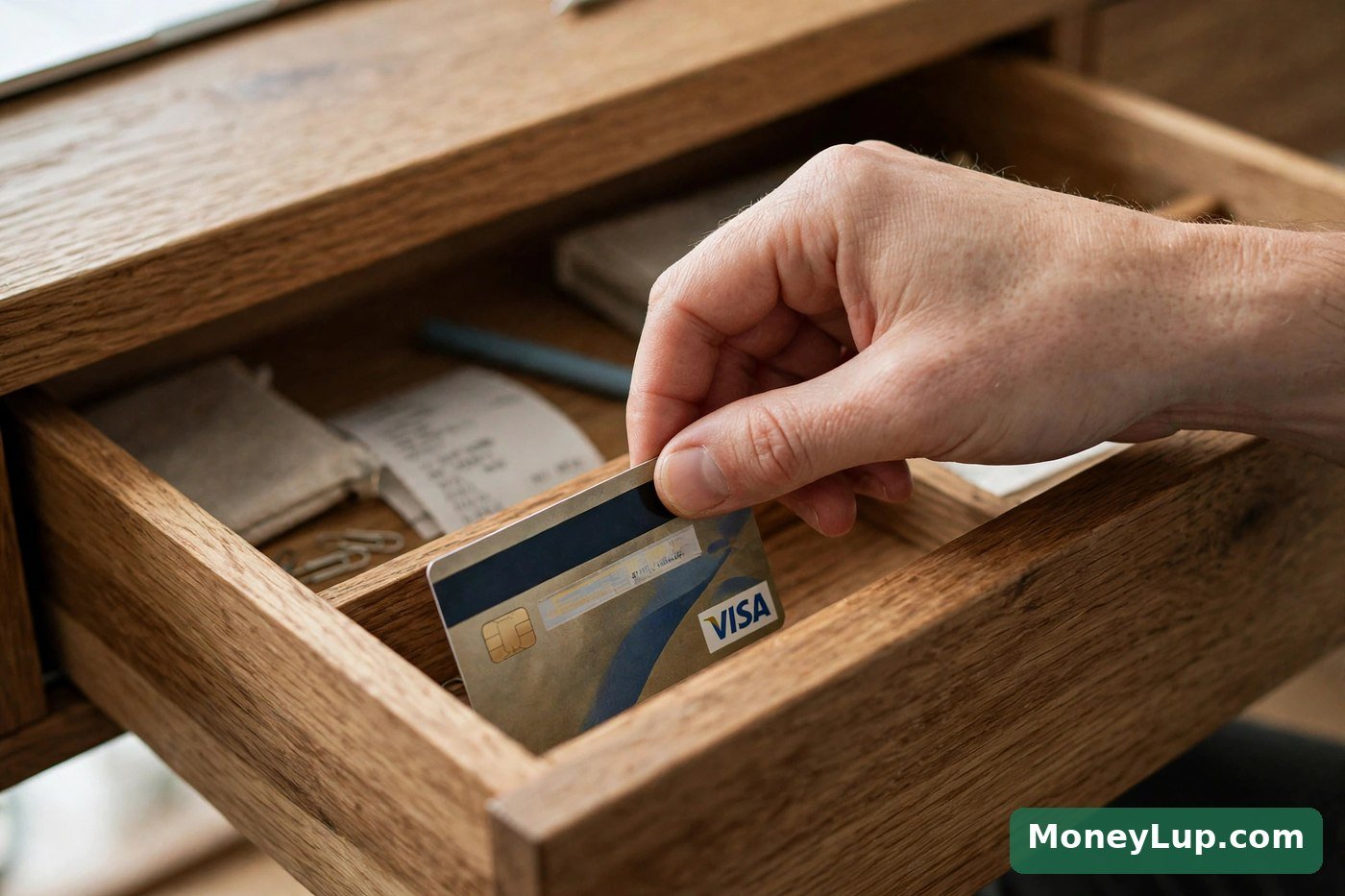
- Remove temptation. Unsubscribe from sale emails, delete saved cards from shopping sites, move shopping apps off your home screen. Willpower is unreliable; friction works.
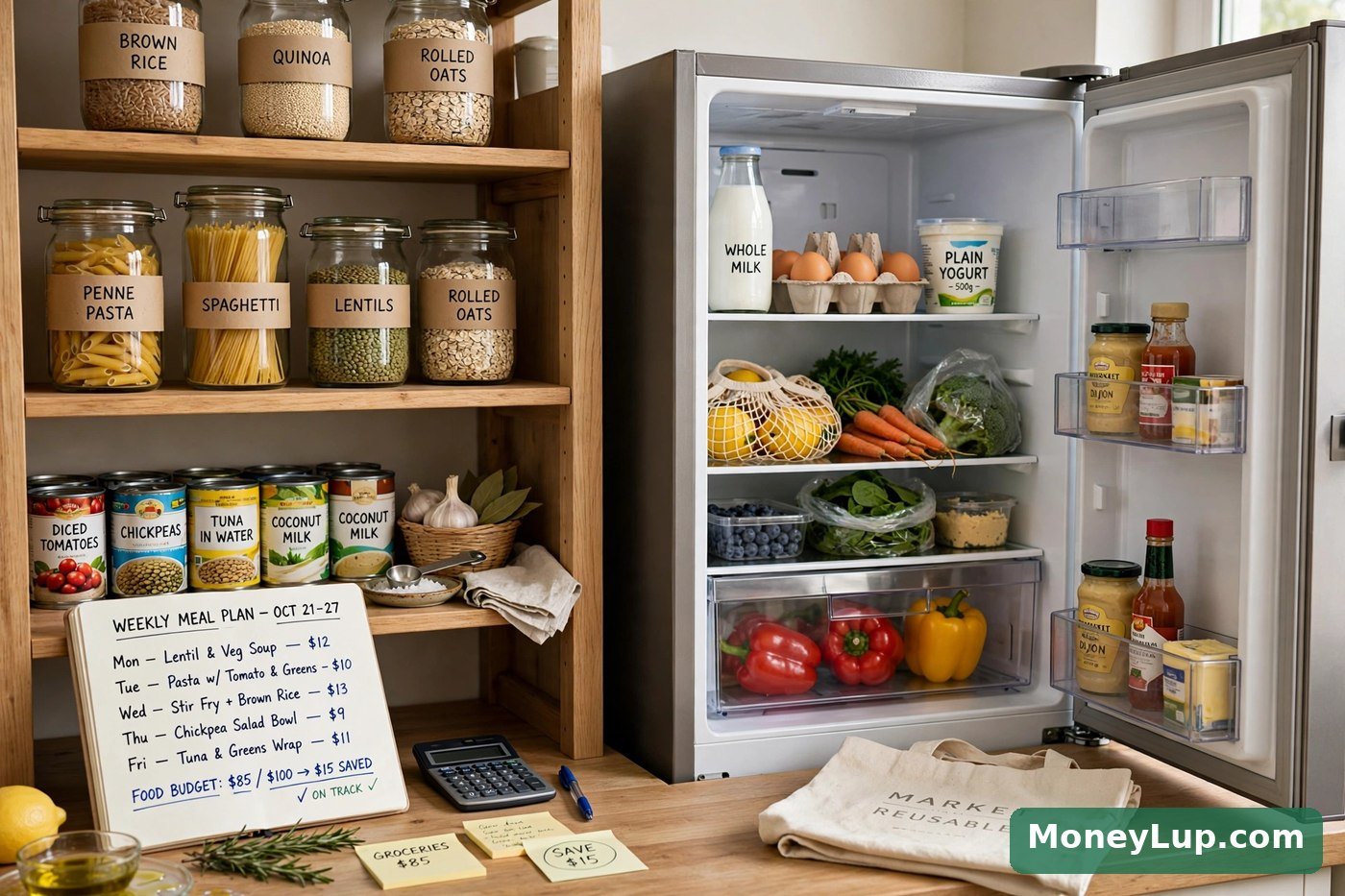
- Plan food. List what your pantry and freezer already hold, then build a simple meal rotation. Boredom eating out is the #1 budget-breaker in week one.
- Make a free-fun list. Walks, library books, home movie nights, board games, free museum days, calling a friend. When the urge to “do something” hits, you’ll have an answer that costs nothing.
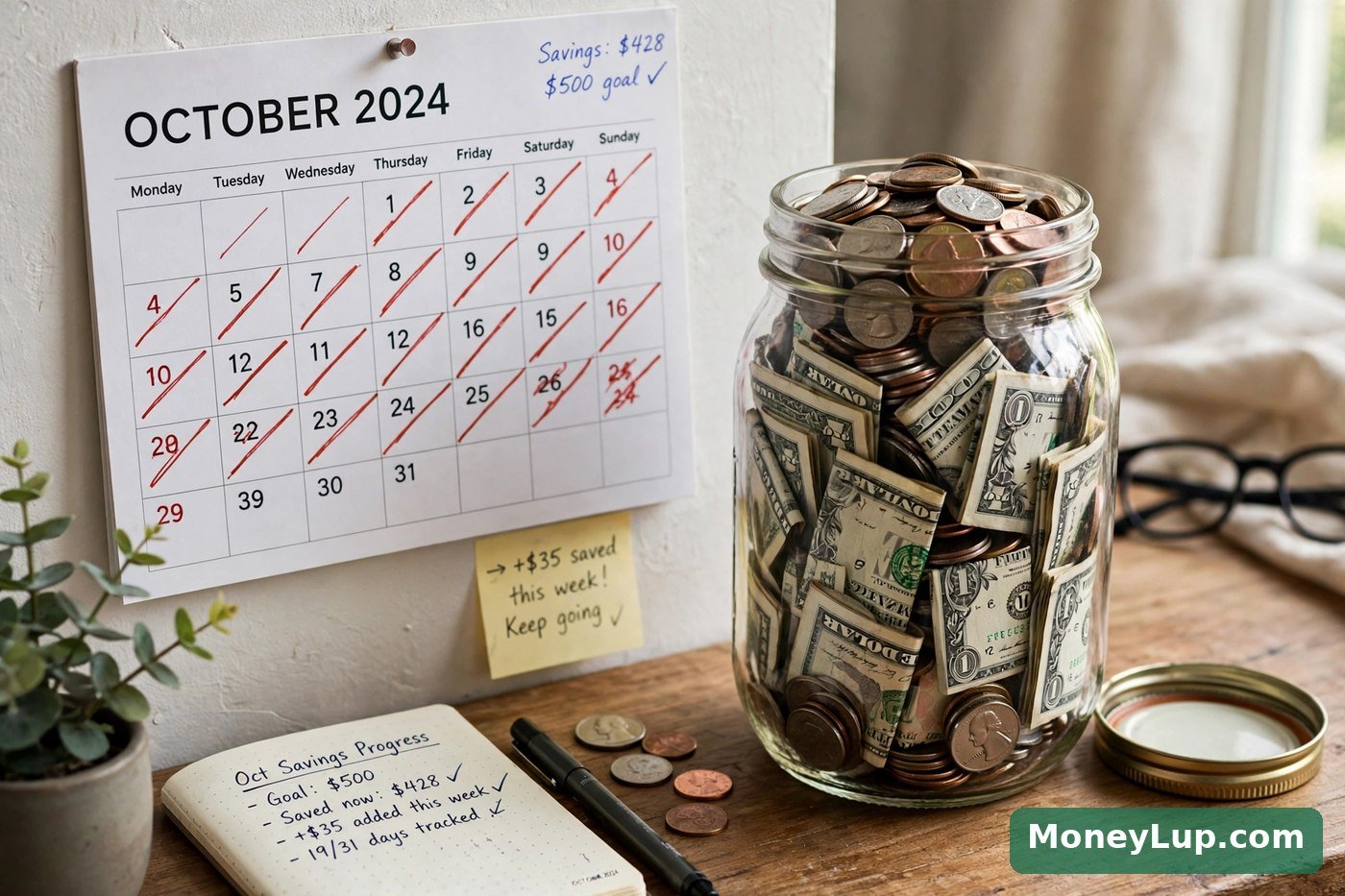
- Set the destination for the money. A challenge without a target leaks. Decide now: the saved money goes to your emergency fund, a debt payment, or a specific goal. (Our Savings Goal Calculator turns that amount into a date you can aim at.)

The 30-Day Plan, Week by Week
Days 1–7 — The easy wins. Motivation is high. Use it to do the setup properly: cook from the pantry list, unsubscribe from everything, and log every urge to buy in a note on your phone instead of buying. Most urges die in 20 minutes.
Days 8–14 — The danger zone. Novelty wears off; social pressure arrives (“come on, one dinner”). This is where the exceptions list earns its keep. Suggest the free alternative — a home-cooked group dinner costs a fraction and usually lands better than you fear.
Days 15–21 — The habit stretch. Cooking feels normal now. You’ll notice your bank balance doing something unusual: staying put. Move the money you’ve saved so far into savings now, mid-challenge — seeing it there makes finishing much easier.
Days 22–30 — The finish line. Plan day 31 carefully. The most common ending mistake is a celebration splurge that eats half the savings. Decide in advance what small reward is allowed, keep the rest invested in your goal, and consider rolling straight into a lighter version — say, a no-spend week every month.
Where the Money Comes From: A Worked Example
Meet Dana, who “doesn’t really spend much” — until her bank statement said otherwise:
| Usual leak | Per month |
|---|---|
| Food delivery (3× a week) | $210 |
| Coffee runs | $85 |
| Impulse online orders | $140 |
| Streaming + app subscriptions | $38 |
| Total frozen for 30 days | $473 |
Dana didn’t become a different person. She just paused four categories for one month, and $473 moved from disappearing to sitting in her savings account. Your numbers will differ — the pattern won’t. If you don’t have a budget yet, our guide on How to Budget for Beginners shows you how to find your own leak list in about an hour.
Common Mistakes
Going cold turkey with no exceptions list. The first surprise expense feels like total failure, so the whole challenge gets abandoned. Planned exceptions are not cheating; they’re engineering.
Keeping the challenge secret. Then every social plan becomes a private battle. Tell people once, and most of the pressure disappears.
Not moving the money. Saved money that stays in your checking account gets spent in week five. Transfer it to savings the day the challenge ends — or halfway through.
Rewarding yourself by overspending. A $90 “I earned this” dinner after saving $473 still leaves you ahead — but a $400 shopping spree doesn’t. Set the reward in advance.
Final Words
A no-spend challenge works when it’s a system, not a dare: clear rules, a written exceptions list, food planned, friends informed, and a home ready for the money you’ll save. Start with a week if a month feels big. Even seven honest days will show you things about your spending that no budgeting app ever told you — and once you’ve seen your leaks written down, you can’t unsee them.
Educational content only — not financial advice.
FAQs
Do bills and groceries count as spending?
No. Bills, housing, basic groceries, transport to work and medications are essentials and stay paid. The freeze applies to everything optional.
What happens if there’s an emergency mid-challenge?
Real emergencies always win — fix the car, see the doctor. Log it as an emergency, not a slip, and continue the challenge for everything else.
Can I do a no-spend challenge with a family?
Yes, and it often works better — kids take to the “game” version surprisingly well. Agree the exceptions list together, and let everyone pick one free-fun activity per week.
What if I slip up once?
Write down what happened and keep going. In our experience, the people who finish aren’t the ones who never slipped — they’re the ones who logged the slip and continued the same day.
How much can I realistically save in 30 days?
It depends entirely on your current leaks. For most households pausing delivery food, coffee runs and impulse shopping, $300–$600 in a month is a realistic range — your bank statements from last month will give you your exact number.

2 Comments